How a Dreamer Changed the World-(Profile of Steve Jobs)
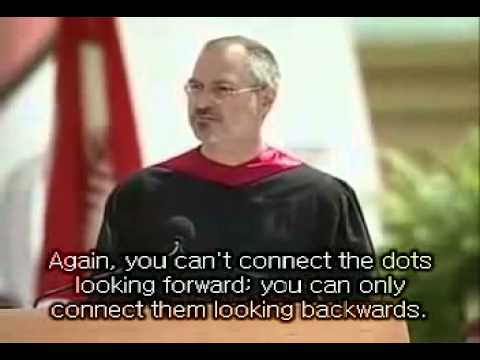
This is a profile on late Apple CEO Steve Jobs, a technological visionary who overcame numerous setbacks on his path to success. This short documentary features interviews with several of Jobs’ colleagues and business associates who recount the adversities faced, and his ultimate triumph as a computer pioneer.
A longhaired dreamer described by friends as a traditional “hippie,” Jobs dropped out of Reed College and travelled before returning to his childhood home in the Bay Area of California. It was upon his return that he presented his concept of a personal computer to his friend and future business partner, Steve Wozniak. Together they designed the Apple I, setting in motion a turn of events that would impact the future of technology for decades to come.
Tracing the evolution of the early model Apples and their groundbreaking features from color graphics to the mouse, the would-be turning point for Jobs and company came in 1984 with the debut of the Macintosh. Revolutionary in its user-friendly interface, the Macintosh paved the way for personal computers still in use today; however, the initial launch didn’t translate immediately into profit, causing many on the Apple Board of Directors to question Jobs’ leadership at the company and delivering a hit to his reputation.
Ultimately ejected from Apple, Jobs created a new company, NEXT, with the continued ambition to create a world-changing computer. It was during this time that Jobs turned his attention to operating systems instead of hardware, focused on his personal life, and undertook a new venture in entertainment with the purchase of Pixar Animation an investment that made Jobs a billionaire thanks to the success of their first feature film, Toy Story.
In the ten years that had passed since Jobs’ ousting from Apple the company had suffered greatly, often failing to compete with Windows. Having a renewed interest in Apple, Jobs sold NEXT to the company and returned as interim CEO. In an unprecedented move, Jobs secured an investment from competitor Bill Gates in order to revitalize the Mac brand with the debut of the candy-colored iMac desktops and clamshell laptops that paved the way for the personal technology still in use today, from the iPod to the iPhone.
Representing Jobs as an incorrigible salesman and charismatic public figure, this edition of GAME CHANGERS provides a succinct overview of his life’s work.
Watch it here
[wpdevart_youtube width=”640″ height=”385″ autoplay=”0″ theme=”dark” loop_video=”0″ enable_fullscreen=”1″ show_related=”0″ show_popup=”0″ thumb_popup_width=”213″ thumb_popup_height=”128″ show_title=”1″ show_youtube_icon=”1″ show_annotations=”1″ show_progress_bar_color=”red” autohide_parameters=”1″ set_initial_volume=”true” initial_volume=”43″ disable_keyboard=”0″]5fI3zz2cp3k[/wpdevart_youtube]


I heard Jobs also visited India in search of spiritual awakening. Is that true??
He did come and it was a disappointment.But the truth is that Steve Jobs had a short lived fling with our country in the ’70s, before he founded Apple, and like many flings it was a bitter experience.
Then an employee of video game company Atari, the young Jobs came to India with his friend Dan Kottke. Just when they were here and how long they stayed is a matter of some speculation. What is certain is that Jobs and Kottke were here between 1974 and 1976, and spent between one and three months travelling around North India. He was mystified by eastern philosophies; he was on a quest for higher learning, to solve the unanswered questions of science.
According to unofficial Steve Jobs autobiography iCon, Kottke states “He was totally determined to go to India”. Kottke goes on to say, “He felt some kind of unresolved pain over being adopted. That was the same period that he hired a private investigator to try and track down his mother. He was obsessed with it for a while.”
In New Delhi, Steve chose to don a lungi and roam around barefoot.In the flower child fashion of the era, he embraced Indian culture. Or thought he had. But India, he discovered, came bundled with beggars on the streets and the reality of poverty, far removed from the hippy-ish existence Jobs had led till then.
There was worse in store for him. He met a holy man in Kainchi near Nainital, who shaved his head on a mountaintop and claimed to know the whereabouts the elusive and much sought Neem Karoli Baba. Many versions of this story exist. In one such,this man turned out to be a fraud, and when Jobs’ finally made it to the Baba’s ashram he was found to have had passed away. Jobs later said “We weren’t going to find a place where we could go for a month to be enlightened. It was one of the first times that I started to realize that maybe Thomas Edison did a lot more to improve the world than Karl Marx and Neem Karoli Baba put together.”
By now Jobs’ spiritual quest lay in tatters as did his notions of the world. To his emotional turmoil was added a measure of physical discomfort. Both Jobs and Kottke were struck down with diarrhea and fatigue in the unforgiving Indian summer. Kottke describes this time: “Out there in the dry creek bed, in the middle of India, completely disoriented, all our rhythms and beliefs shattered, where we were sure a flash flood would come through any moment, the two of us praying to any god that could here us; Dear God, if I ever get through this, ill be a good person, I promise.”
Finally, Kottke’s traveller’s cheques were stolen and the companions had to cancel a planned trip to the cooler climes of Manali.
India both traumatised Steve Jobs and changed his life. He returned to Atari a Buddhist, and a more focused and hardened individual. Did he find in India the steel that was to allow him to survive an ouster from the company he founded and then to return and rise to unexpected heights?
After returning to Atari, Jobs’ rekindled his friendship with high school mate Steve Wozniak who was working at Hewlett-Packard then. Together, the two Steves launched a startup called Apple Computer from Jobs’ garage in Palo Alto, California.
It’s hard to say if India’s less than favoured status with Apple can be attributed to Steve Jobs’ early experience with the country. But it is definitely true that it was then that the foundations were laid for the titanic, perfection-obsessed, often ruthless personality he was to become later. (Ref:http://gadgets.ndtv.com/others/news/what-steve-jobs-did-in-india-35-years-ago-225246)